Emergency Water Extraction in Clifton Heights, PA
Standing water in carpet, hard floors or a low room is pumped and vacuumed out first, because every surface it touches begins absorbing it. Drying equipment follows once the water is gone.
(888) 557-1733Get pumps on the water- Pumps for deep water
- Wet vacuums for floors
- Moisture mapped after
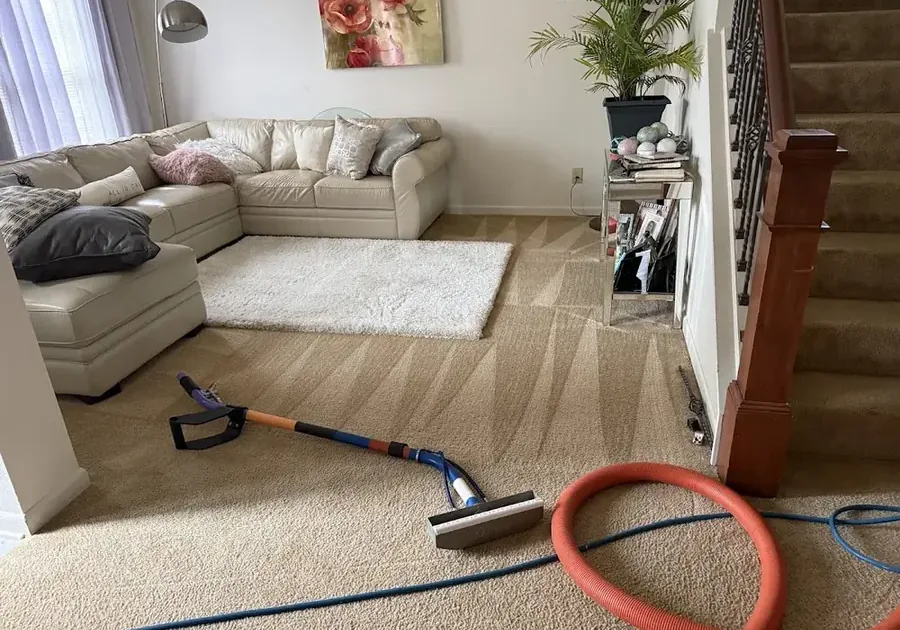
First steps for emergency water extraction
- Find the source: The valve, drain or opening that let water in is closed or noted first.
- Pump the depth: Submersible pumps clear deeper water so wands can reach what is left.
- Lift the moisture: Wands and weighted tools draw water from carpet, pad and hard floors until little remains.
- Meter the structure: Walls, baseboards and subfloor are scanned to decide what needs equipment and what comes out.
What does emergency water extraction cost in Clifton Heights, PA?
Extraction alone is the smaller stage, and cost follows the area, depth and whether the water was clean. One room runs $400 to $1,200, while two floors or contaminated water reaches $2,500 to $3,500 or more.
One room or hallway
- Single area affected
- Wet vacuum work
- Short dry out follows
Full basement
- Pumps, then wands
- Pad removal likely
- Drying follows
Two floors or contaminated
- Both levels worked
- Contaminated water handled
- Waste bagged and removed
Ranges are typical, not a quote: the water category, the square footage, the material class and how fast drying started move the number most. Run the water damage cost calculator for a closer range.
How emergency water extraction is handled in Clifton Heights
- 01
Call
Give the source, rooms and time the water has stood.
- 02
Pump
Pumps and wands remove the standing water.
- 03
Check
Meters find water left in walls and floors.
- 04
Hand off
Drying equipment is set up and readings are logged.
How standing water is removed
Technicians choose the tool for the surface. Submersible pumps handle depth, wet vacuums clear carpet and pad, and extraction wands pull water from hard floors and tight corners. On carpet, weighted tools press water out of the pad below. The crew then checks walls and subfloor with a moisture meter, because dry looking surfaces can hide wet materials.
Water is pooling and soaking into the floor?
(888) 557-1733Ask about pumping it outCreek water and what it changes
Darby Creek runs along the borough's north and northeast border. Its December 2023 flooding in Delaware County displaced about 20 residents, although the published reports named other communities and not this one. Water that comes from a creek or a backed up sewer is treated differently from a clean supply leak, so the crew asks where the water came from before choosing gear and disposal steps.
Clean water, gray water and sewage
Clean water from a supply pipe can usually be extracted and the structure dried in place. Gray water from an appliance needs more care, and sewage or creek water turns porous materials such as carpet and padding into waste. Those materials are cut out, bagged and removed rather than dried.
What happens after extraction
Once the pooled water is gone, the job moves to structural drying with air movers and dehumidifiers. Basements and lower levels may also need basement flooding cleanup for the materials that stayed wet. Skipping that step is how a dry looking floor turns into a smell later.
Emergency water extraction across Clifton Heights and nearby communities
Extraction crews work throughout Clifton Heights, from the Baltimore Avenue and Springfield Road crossing to the Darby Creek border, in ZIP code 19018 and the nearby towns.
The same service nearby: emergency water extraction in Upper Darby, Lansdowne, Collingdale.
Related water damage services
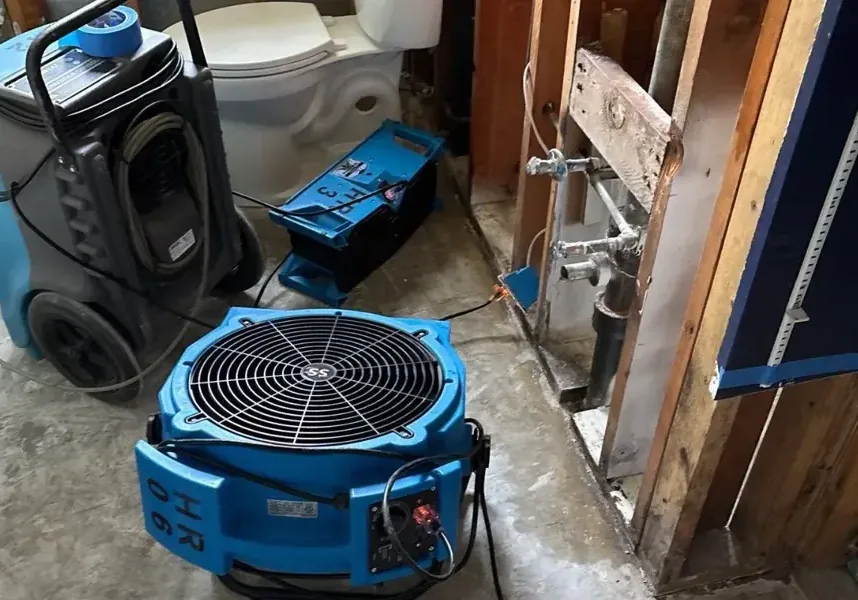
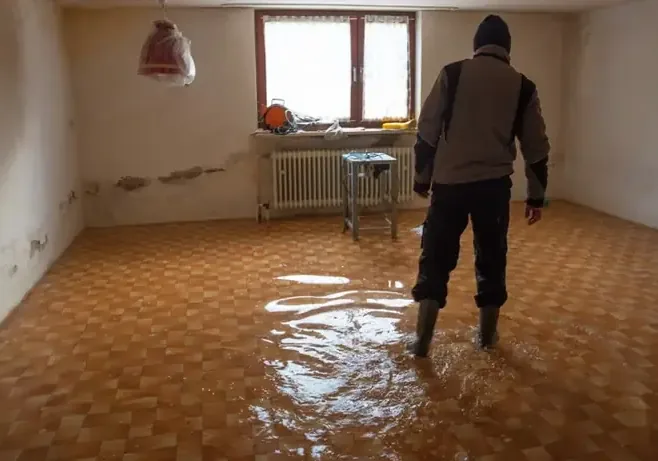
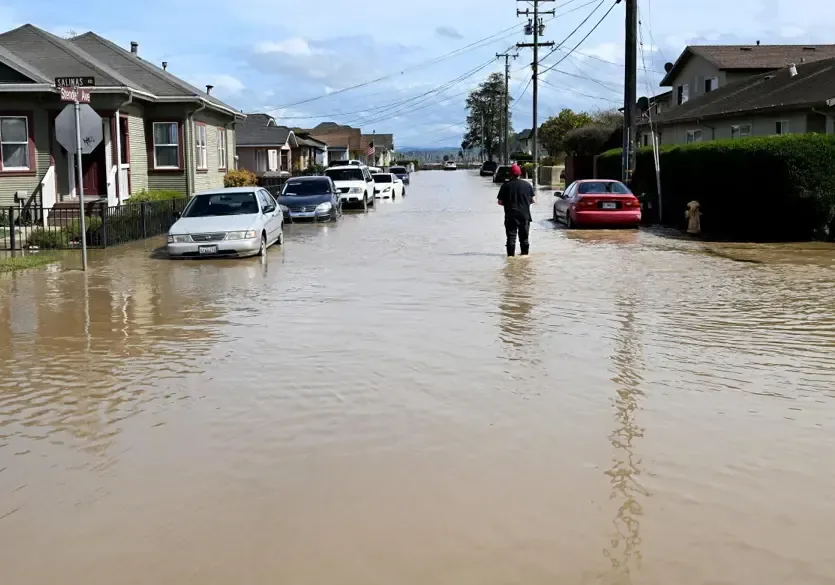
Emergency Water Extraction questions in Clifton Heights, PA
How fast should water be extracted?
As early as possible. Carpet pad, drywall and wood absorb water quickly, and the longer it stays, the more material has to be removed instead of dried.
Can a wet vacuum from a store do the job?
A household wet vacuum helps with a small spill, but it cannot move the volume or reach the pad and subfloor. Anything wider than a puddle usually needs pumps, wands and meters.
Is extraction different for sewage?
Yes. Sewage and creek water are contaminated, so technicians wear protective gear, the carpet and pad usually go to the dumpster, and surfaces are sanitized after the water is out.
Does extraction end the job?
No. Extraction removes liquid water, but moisture stays inside walls, subfloor and framing. Air movers, dehumidifiers and meter checks finish the work, so a dry looking room is not a finished one.
What should be done before the crew gets there?
Close the supply valve if the source is known, switch off power to wet rooms when the panel is dry, and lift small items off the floor. Photographs of the water help the claim.
Will furniture and belongings be moved?
Small items are lifted out of the wet area, and larger furniture is blocked up or moved so the floor can be worked. Soaked upholstery and papers are sorted early, with photos taken first.
Let pumps and wands start on the standing water
The crew asks about the source, the rooms and how long the water has stood, then explains the plan for extraction and the drying that follows.
(888) 557-1733Get the water pumped outUpper Darby Water Damage Restoration
The township and Delaware County
Water and sewage losses only
Find us on Google