Basement Flooding Cleanup in Clifton Heights, PA
A flooded lower level is pumped down in stages so walls and floors are not stressed, then wet finishes are removed and the space is dried with equipment until the meters read normal.
(888) 557-1733Ask for a pump out crew- Staged pump out
- Wet finishes removed
- Moisture logged daily
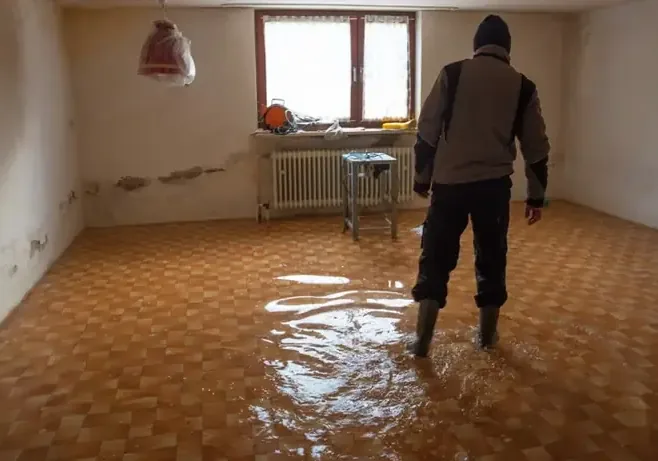
First steps for basement flooding cleanup
- Locate the entry point: Floor drain, wall crack, window well or failed pump, the source is found and noted.
- Pump down in steps: Water drops level by level while the crew watches the floor and walls for new seepage.
- Remove what cannot dry: Wet pad, lower drywall, insulation and boxed items are pulled out and photographed.
- Dry and verify: Dehumidifiers and air movers run until readings match an unaffected reference wall.
What does basement flooding cleanup cost in Clifton Heights, PA?
Cost depends on whether the lower level is finished and what the water carried. An unfinished space runs $2,000 to $4,000, while backup or creek water reaches $8,000 to $12,000 or more.
Unfinished basement
- Pump out and cleaning
- Contents moved
- Dehumidifier drying
Finished basement, clean water
- Carpet and pad removal
- Lower drywall cut out
- Several days of drying
Backup or creek water
- Contaminated materials removed
- Sanitizing of surfaces
- Extended drying
Ranges are typical, not a quote: the water category, the square footage, the material class and how fast drying started move the number most. Run the water damage cost calculator for a closer range.
How basement flooding cleanup is handled in Clifton Heights
- 01
Call
Give the entry point, depth and what the water touched.
- 02
Pump
Water is lowered in steps, then wanded off the floor.
- 03
Demolish
Ruined finishes are cut out and bagged.
- 04
Dry
Equipment runs and meters confirm the finish.
Rising creek water and backed up sewers
Delaware County's emergency services director said the December 2023 Darby Creek water rose rapidly and backfilled a number of sewers. Reports named Darby, Collingdale and Florence rather than this borough, but the mechanism matters anywhere: when sewers fill, drains in low rooms can push water back inside, and that water is contaminated.
Water coming up through the floor or the walls?
(888) 557-1733Talk to a pump out crewPump down in stages
Where the ground outside is saturated, pumping a flooded lower level dry too fast can stress the foundation walls, so crews drop the level in steps and watch whether water returns. After the floor is exposed, wet vacuums and extraction wands handle the rest, and the crew checks that no new water is entering.
What gets removed and what stays
Wet carpet pad, lower drywall, insulation and cardboard boxes are the usual losses, since they hold water and cannot be dried reliably. Solid wood framing, concrete and many hard floors dry in place. A contaminated source changes the list, and the crew explains each decision before cutting.
Drying and the next step
Dehumidifiers and air movers run for several days while meters track the walls. If the water came from a drain or sewer, see sewage backup cleanup; if a pump quit, sump pump failure cleanup covers the cause. Contents are sorted into keep, clean and discard piles.
Basement flooding cleanup across Clifton Heights and nearby communities
Basement flooding crews serve Clifton Heights homes and businesses near Baltimore Avenue, Springfield Road and Oak Avenue, along with ZIP code 19018 and the neighboring boroughs.
The same service nearby: basement flooding cleanup in Upper Darby, Lansdowne, Collingdale.
Related water damage services
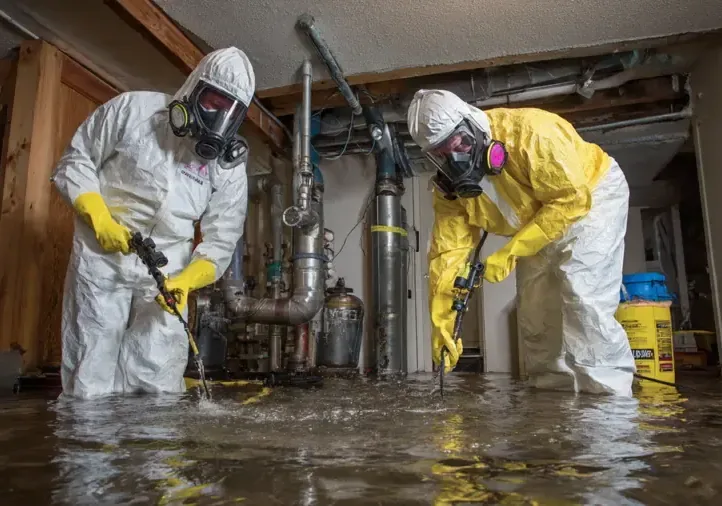 Sewage and Floor Drain Backup Cleanup in Clifton HeightsRead the rundown
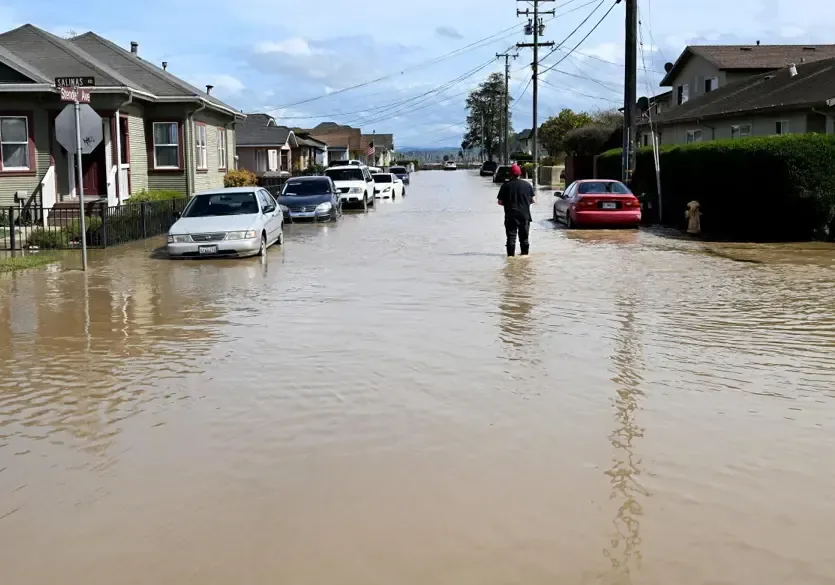 Storm and Creek Flood Cleanup in Clifton HeightsRead the rundown
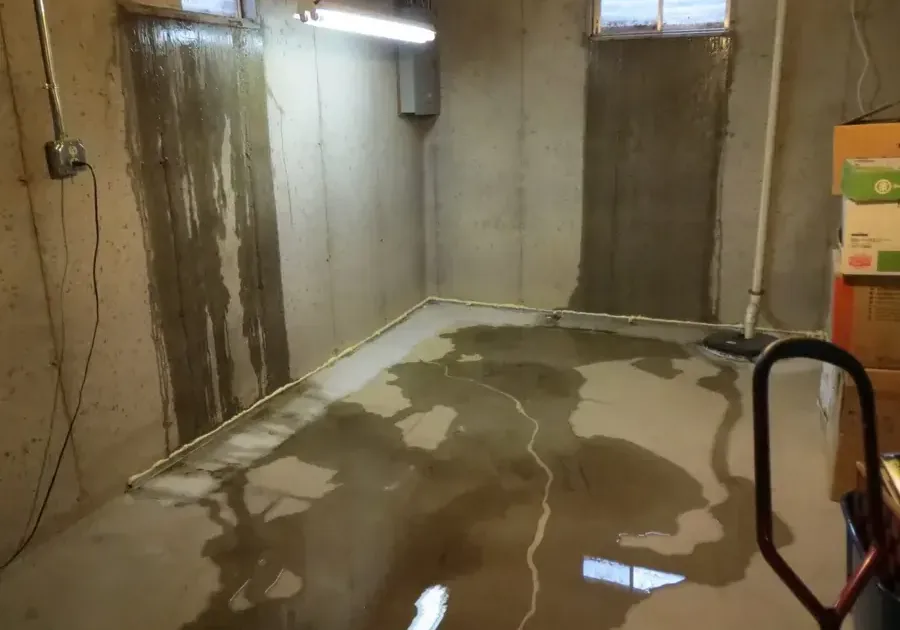 Sump Pump Failure Cleanup in Clifton HeightsRead the rundown
Basement Flooding Cleanup in Upper DarbyRead the rundown
Every water service in this townRead the rundown
Sump Pump Failure Cleanup in Clifton HeightsRead the rundown
Basement Flooding Cleanup in Upper DarbyRead the rundown
Every water service in this townRead the rundown
Basement Flooding Cleanup questions in Clifton Heights, PA
Should a flooded basement be pumped out right away?
Not always all at once. When the ground outside is saturated, lowering the water in steps protects the foundation walls, so the crew decides the pace after checking how water is entering.
Is basement water always sewage?
No. Water can come from groundwater, a failed pump, a supply leak or a drain. Drain and creek water count as contaminated, and the crew treats the whole wet area as contaminated until the source is clear.
What happens to finished walls and flooring?
Drywall that wicked water above a few inches is usually cut out, carpet pad is discarded, and hard flooring is checked with a meter before anyone decides. Solid materials often dry in place.
How long do the dehumidifiers run?
Several days is common, but the readings decide. The crew returns to measure the walls and floor, moves equipment as needed and stops only when materials match the dry reference.
What belongings can be saved?
Items on shelves and in plastic bins usually survive. Cardboard, upholstery and papers that sat in the water often do not. Photograph everything before it is discarded, because the adjuster will want to see it.
Why does the smell linger after a flood?
Smells point to moisture still in materials. Fast removal of wet finishes and drying to measured readings are the best protection, and a persistent odor means a spot was missed and should be reopened.
A flooded lower level gets worse every day it sits
The crew asks where the water entered, how deep it is and what the floor is made of, then lays out the pump out and drying plan before work begins.
(888) 557-1733Start the pump out planUpper Darby Water Damage Restoration
The township and Delaware County
Water and sewage losses only
Find us on Google