Water Damage Restoration Darby, PA
24/7 water damage restoration in Darby, PA. The response team pumps out creek water and sewer backups, dries the structure to the IICRC S500 standard and keeps every reading for the insurance file.
(888) 557-1733Creek water inside? Get it pumped out- Round-the-clock dispatch
- IICRC S500 dry standard
- Truck-mounted pumps
The creek rises fast in heavy rain, so the first hours after the water drops matter most for drying.
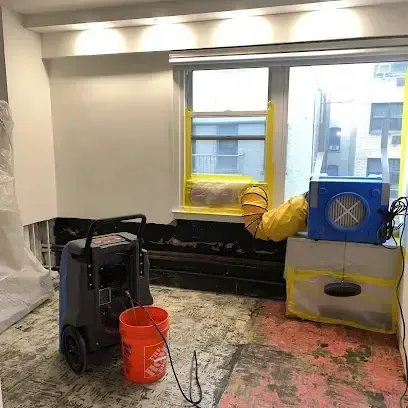
Water Damage Restoration Services in Darby, PA
Fourteen water and sewage services for the borough, each mapped, dried and documented to one standard, from a burst pipe in a kitchen to creek water in a lower level.
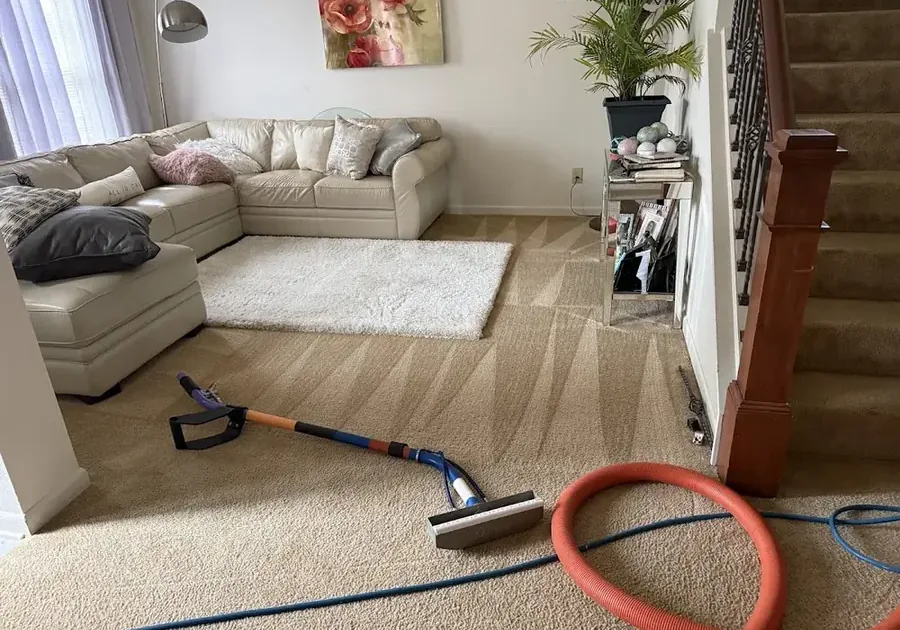 Emergency Water ExtractionCreek water and pipe leaks pulled off floors with truck-mounted units before they wick into walls and subfloor.Steps and costs
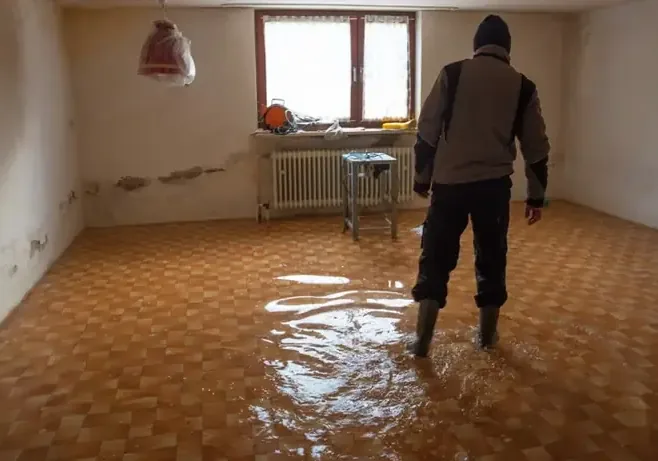 Basement Flooding CleanupLower levels where creek water settles first, pumped out, sorted and dried to a measured goal.Steps and costs
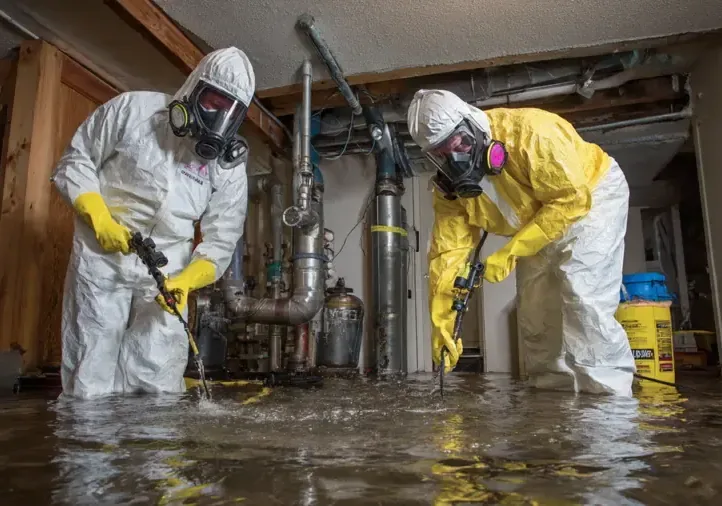 Sewage and Floor Drain Backup CleanupBackups from the borough's terra cotta sewers handled as Category 3, with porous materials removed and surfaces treated.Steps and costs
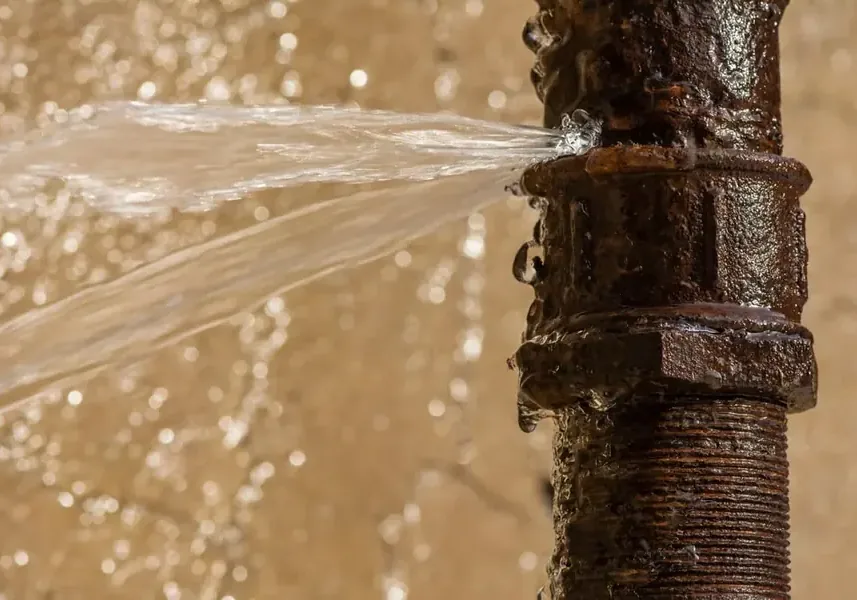 Burst Pipe Water DamageA split supply pipe found, shut off and the soaked walls opened only where the meters show water.Steps and costs
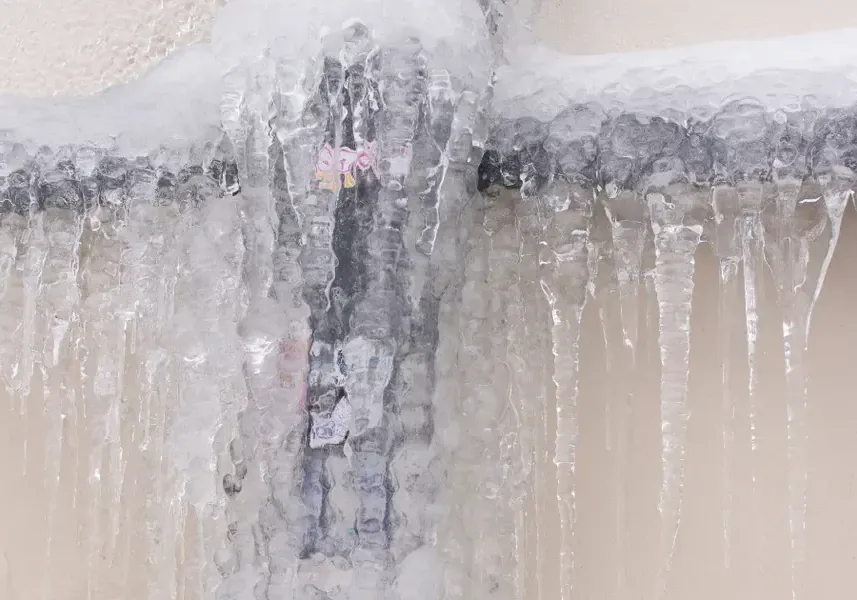 Frozen Pipe Water DamageCold snaps that freeze and split pipes, with the thaw water extracted and the wall cavity dried.Steps and costs
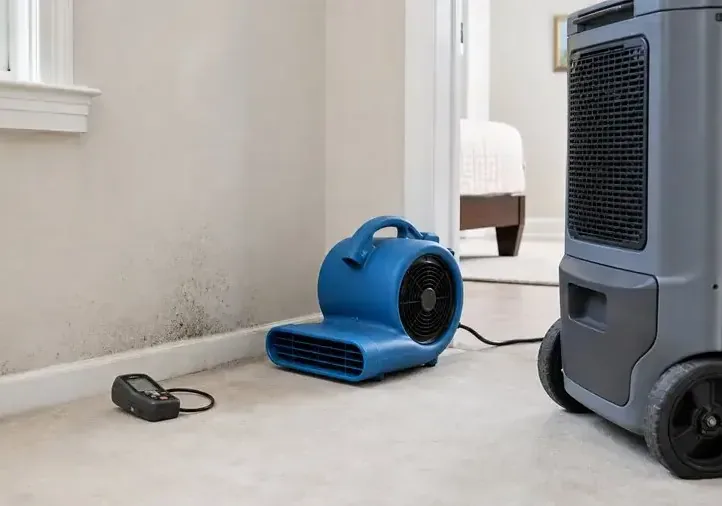 Boiler and Radiator Leak CleanupLeaking boilers, radiators and valves that soak floors and ceilings, dried with mats and dehumidifiers.Steps and costs
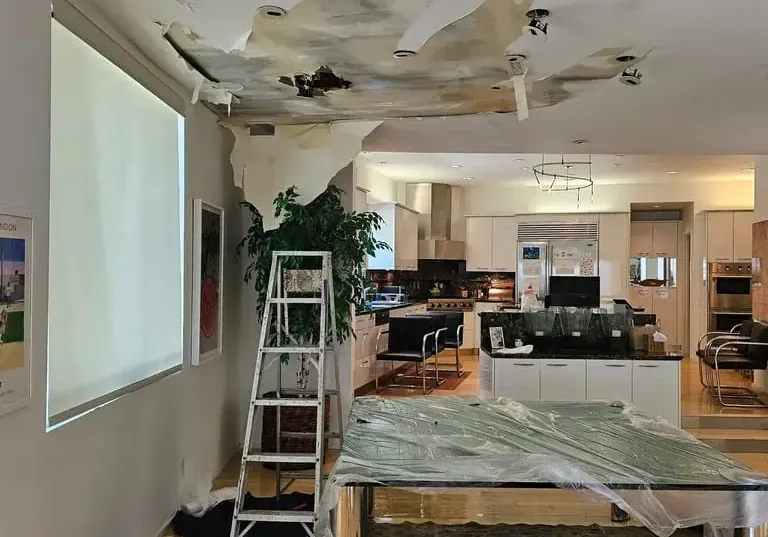 Flat Roof Leak Water DamageStorm rain through roof seams and flashing, dried out of the ceilings and insulation underneath.Steps and costs
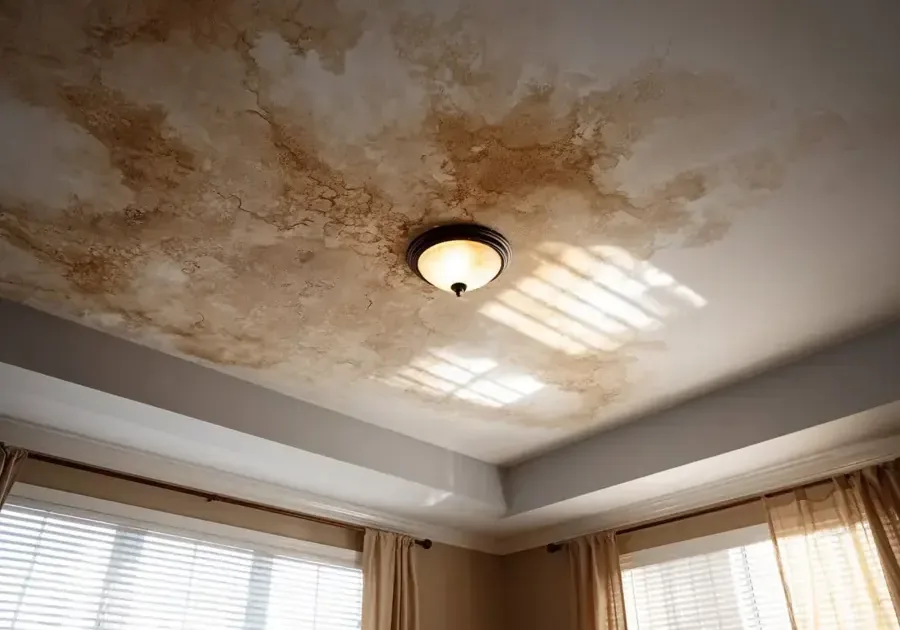 Ceiling Leak Water DamageLeaks from the bathroom or unit above, common where about half the homes are rented, traced and dried.Steps and costs
 Storm and Creek Flood CleanupCreek overflow and storm runoff treated as contaminated, then extracted, cleaned and dried out.Steps and costs
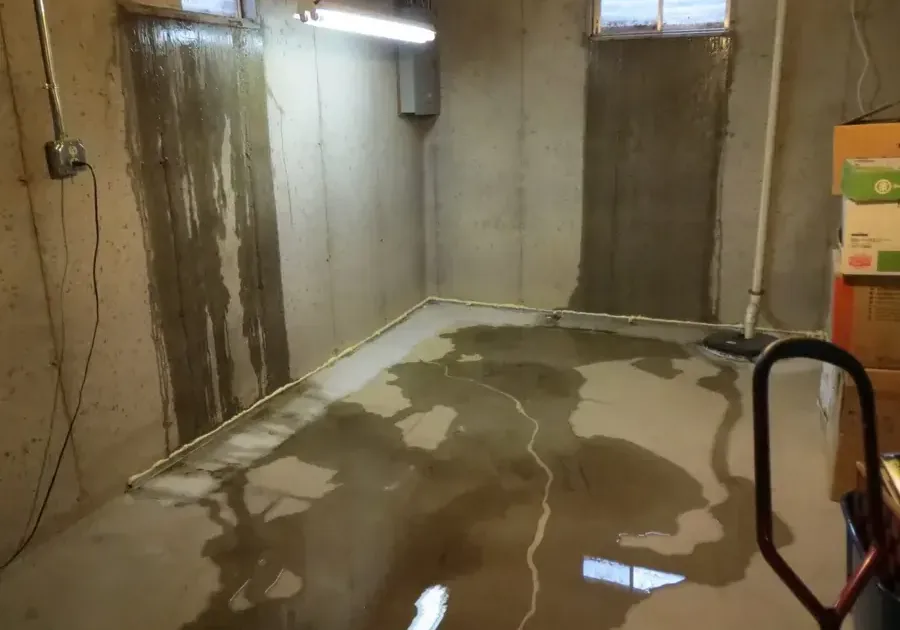 Sump Pump Failure CleanupA sump that quits while heavy rain and a rising creek push water toward the house, pumped and dried.Steps and costs
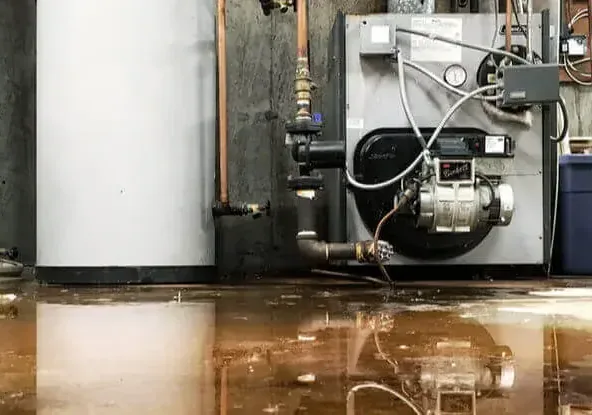 Water Heater Leak CleanupA failed tank or relief valve flooding the room it sits in, extracted before the water spreads.Steps and costs
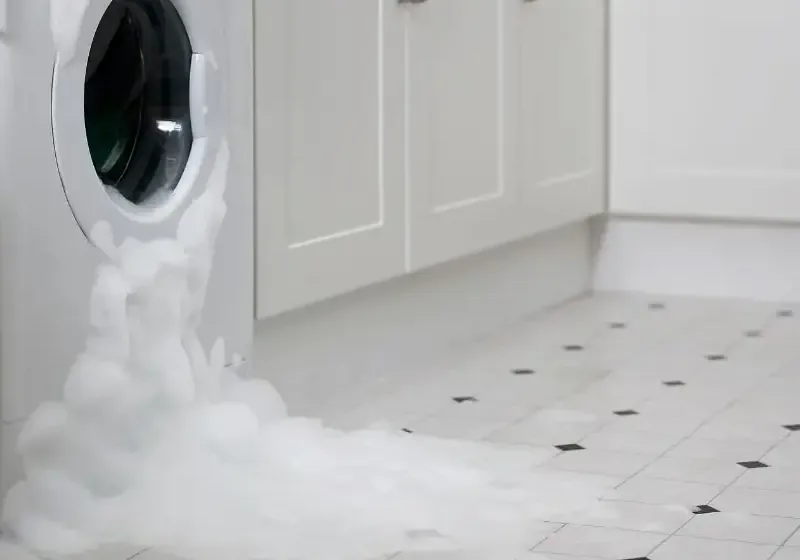 Washer and Appliance Leak CleanupWasher and dishwasher leaks that reach the floor and the ceiling below in a densely built borough.Steps and costs
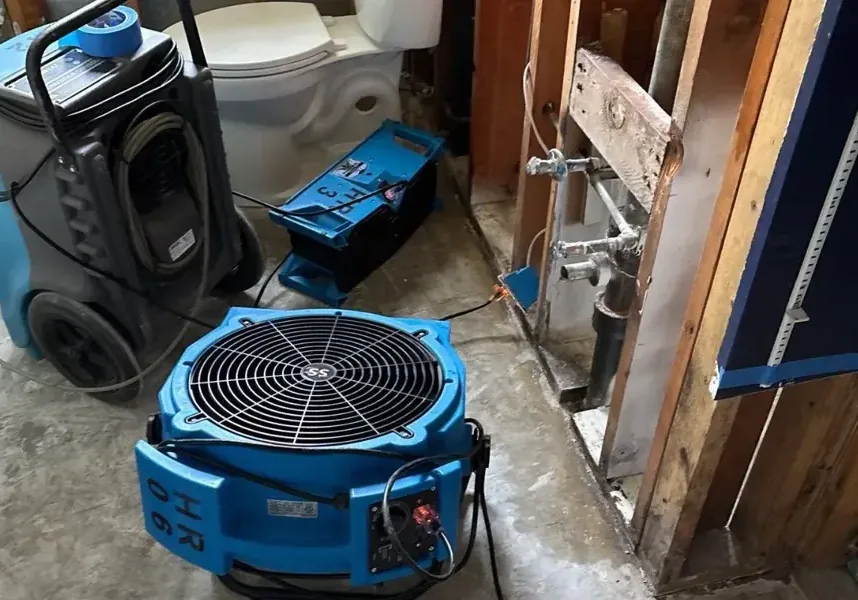 Structural DryingFraming, subfloor and walls dried until readings match a dry reference in the same building.Steps and costs
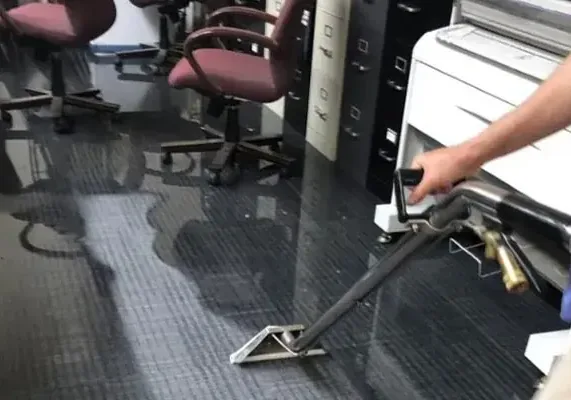 Commercial Water DamageShops, offices and apartment buildings on busy streets dried in phases with a record for every unit.Steps and costs
Why the source of the water decides the cleanup
Clean water
A broken supply pipe, a water heater or a frozen pipe. Caught quickly, most finishes can be dried where they are instead of torn out.
Burst pipe water damageGray water
A washer or dishwasher overflow, or clean water that has sat for a day or two. Soaked pad and other porous items are cleaned or removed.
Appliance leak cleanupBlack water
Sewer backups and creek water from outside. Both carry contamination, so the area is contained, cleaned and disinfected before drying.
Sewer backup cleanupFive steps before the pumps arrive
Get to high ground first
If the creek is rising, leave low streets when the borough calls for it.
Close the main valve
If a pipe or fixture is the source, shut the water off at the main before anything else.
Switch off wet circuits
Turn off breakers for flooded rooms only if the panel and the floor in front of it are dry.
Photograph the waterline
Shoot the water height on walls, appliances and stored items before cleanup.
Hold off on the drains
If sewage came up, skip flushing, laundry and showers until the pipe is cleared.
Wet walls, floors and framing should be drying within 24 to 48 hours, or the damage and the bill both grow.
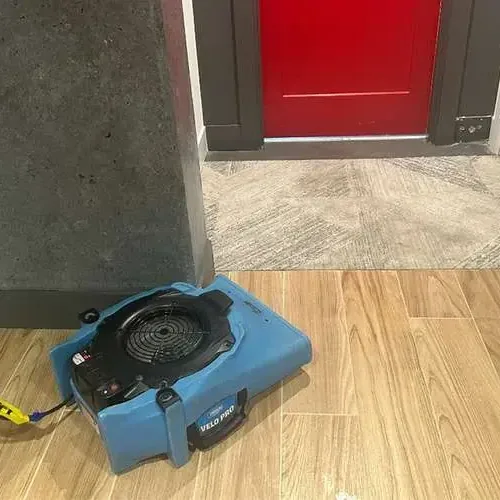
How a water loss gets dried to the IICRC S500 goal, in order
A room can feel dry days before it is. Each stage below is checked with meters, so the job advances on numbers rather than on how a floor looks.
- 01
Map the moisture
Before any equipment is set, a technician reads walls, floors and ceilings with meters and a thermal camera and sketches every wet area.
- 02
Pull the water
Truck-mounted extraction removes standing water as liquid, which is far faster than letting fans and dehumidifiers evaporate it later.
- 03
Set the air
Air movers and LGR dehumidifiers are sized to each room's load, so moisture leaves the materials and the air at the same time.
- 04
Prove it dry
Daily readings are logged against a dry reference, and the equipment stays until the numbers reach the IICRC S500 goal.
What does water damage restoration cost in Darby, PA?
Water damage restoration here typically runs $1,000 to $15,000, and most contained clean-water losses land between $1,000 and $2,500. The size of the wet area, the water category, the materials involved and how quickly drying began decide where a job falls.
Small clean-water loss
- One room or a utility space
- Extraction and dehumidification
- A daily moisture log
Lower level or two rooms
- Pad and low wall removal
- Structural drying
- Photos and readings for the claim
Creek water or sewage
- Category 3 handling
- Removal of soaked finishes
- Disinfection and full drying
These are typical ranges, not quotes. The water damage cost calculator gives a closer planning figure, and the real price is set after the walkthrough and moisture map.
The standard behind a dry-out that lasts
The parts that matter most are the ones nobody sees: framing, subfloor and the inside of the walls. Meters find water there, and the readings, not the calendar, decide when the job is done.
Urgent dispatch, 24/7
Crews take water calls in the borough and across Delaware County day and night, so extraction can begin while the damage is still contained.
A measured drying goal
Equipment runs until the materials read dry against an unaffected reference, not until the carpet feels dry to the touch.
A file the adjuster can use
Moisture maps, daily logs and timestamped photos are kept from the first visit, because a claim is settled on the record.
Creek-aware crews
The creek has flooded the borough again and again, so crews check every lower level and wall cavity the water could have reached.
- Drying the structure, not the surface
- Low-grain refrigerant dehumidifiers
- Thermal camera checks
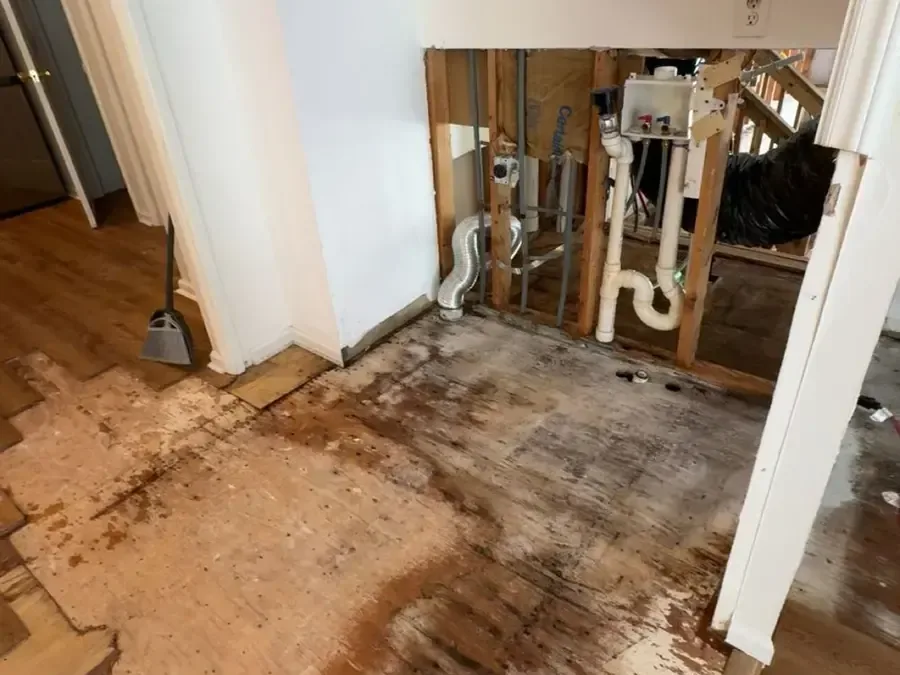
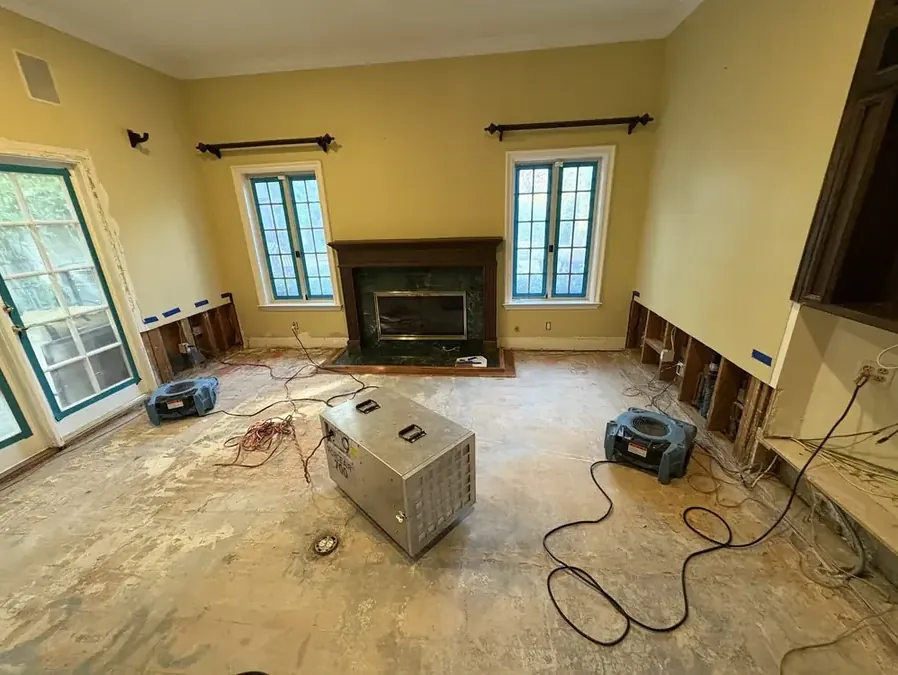
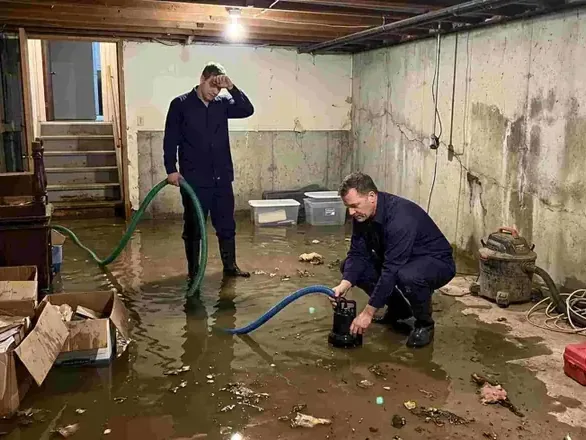
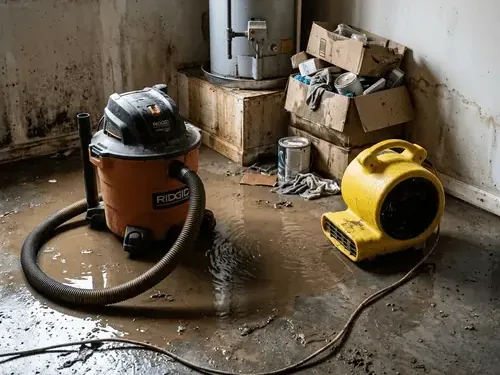
Inside a water damage dry-out, from open walls to drying gear
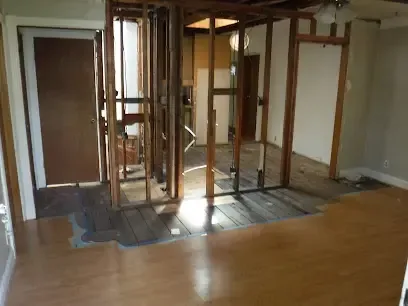
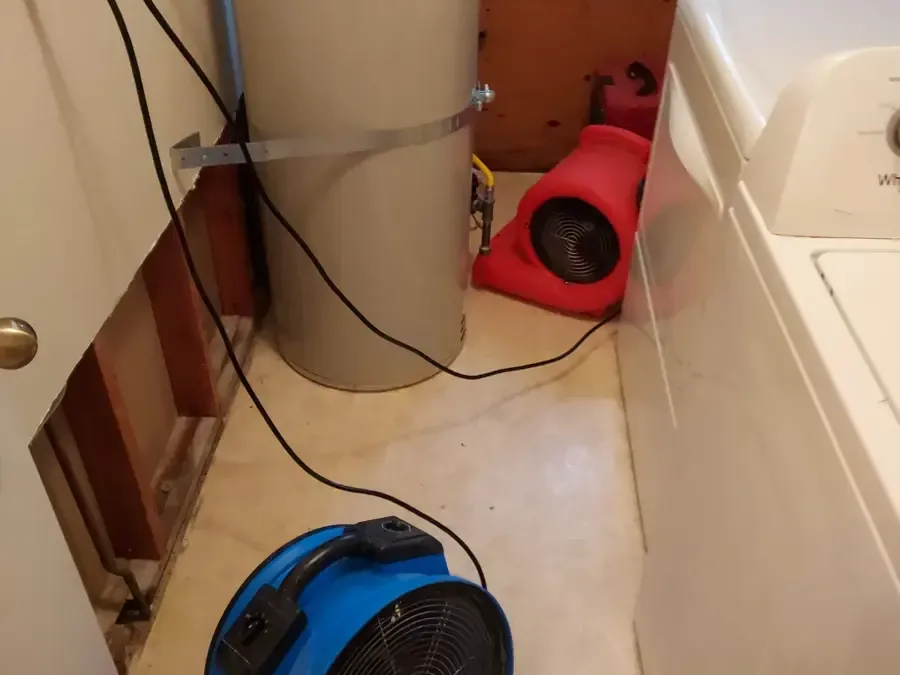
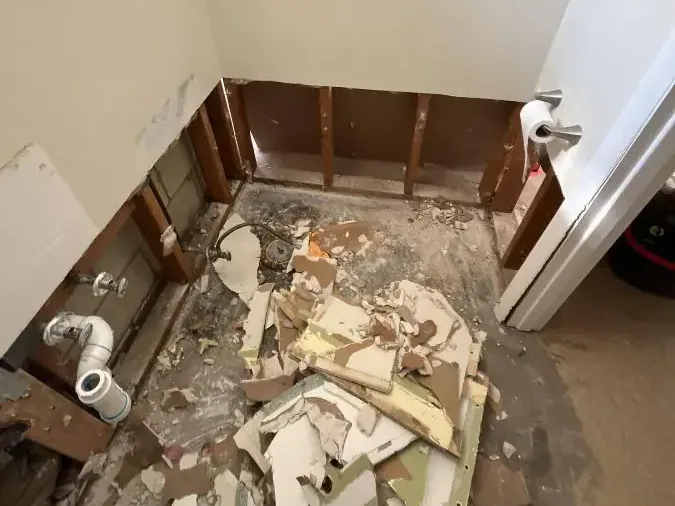
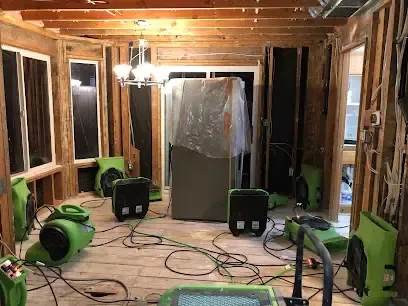
What goes into the insurance file
Insurers decide water claims on documentation, so the drying team starts the file on day one and adds to it every day the equipment runs.
- A sketch and moisture map from the first visit
- Daily temperature, humidity and material readings
- Dated photos taken before anything is removed
- The water category and class for each area
- An itemized scope written the way adjusters read it
Which policy usually applies
A sudden burst pipe or tank failure is usually handled under a homeowners policy. Rising water from the creek is flood damage, which falls under flood insurance instead.
The borough notes that sewer backup coverage is an optional rider that only applies if it was purchased, so check your own policy before the cleanup starts.
Streets and ZIP code covered in Darby, PA
ZIP code
Dispatch covers every block of the borough, day and night
From Main Street and the Chestnut Street blocks along the creek to Springfield Road, Fuller Street and the streets off MacDade Boulevard, the restoration team covers the whole borough.
One phone call covers creek water, sewer backups, pipe leaks and structural drying anywhere in ZIP 19023.
Darby, PA · [email protected]
(888) 557-1733Get a crew headed to the boroughBorough streets
Nearby communities
Water damage in Darby, PA: what floods and why
The borough sits along Darby Creek, which a 2012 Philadelphia Inquirer report called one of the most flood-prone streams in the country. Its water problems follow the creek and its aging sewers.
The creek swelled over its banks, the whole borough closed to all but emergency vehicles, and water poured into Main Street basements.
- A flood-prone creek. The creek runs through 30 municipalities in one of the most densely built corridors in the country, and the borough has faced floods or evacuation orders in 1999, 2010, 2011, 2012 and 2024.
- Floyd's lesson. Hurricane Floyd in 1999 left homes near Chestnut Street under water up to their rooftops, and dozens of those homes had to be demolished.
 What fails first
- Terra cotta sewers. A 2021 regional sewage plan describes the borough's sewers as mostly terra cotta pipe, and the borough says periodic backups into homes may occur.
- Dense housing. With about 12,600 people per square mile in 2000 and about half the homes rented, a leak often involves a landlord or another household.
- Winter cold. January averages about 33.6 degrees Fahrenheit, cold enough for a hard snap to freeze and split pipes in unheated spaces.
Water damage questions from Darby homeowners
What comes first when water gets into a home here?
Safety. Stay out of standing water near outlets, leave low streets if the borough orders it during a creek flood, shut the main valve if a pipe is the source, and photograph everything. Drying should begin within 24 to 48 hours to keep the loss contained.
How soon can a water damage crew get started?
Dispatch runs 24/7, and active water is treated as urgent no matter the hour. Arrival depends on traffic, weather and how many calls are open after a storm, so start the first steps while the crew travels. Pumps and drying equipment come on the first visit.
Why does the borough keep flooding?
It sits along Darby Creek, which a 2012 Philadelphia Inquirer report called one of the country's most flood-prone streams. The creek drains 30 municipalities in a heavily built corridor, so hard rain reaches it fast, and the borough has faced floods or evacuation orders in 1999, 2010, 2011, 2012 and 2024.
Why does sewage back up into homes here?
The public sewers are mostly terra cotta pipe, according to a 2021 regional sewage plan, and the borough says periodic backups into homes or businesses may occur. A backup is Category 3 water and needs containment and disinfection before drying.
Does homeowners insurance pay for creek flooding?
Usually not. Rising creek water is flood damage, which is covered by flood insurance, not a standard homeowners policy. A sudden burst pipe is a different case and is commonly covered after the deductible. Check your own policies.
Is a sewer backup covered by insurance?
Only with the right rider. The borough points out that most homeowners policies offer sewer backup coverage as an option that applies only if it was purchased, so it is worth checking the policy before the cleanup starts.
How long does it take to dry out after a water loss?
A small clean-water loss usually dries in three to five days. Lower levels, dense materials and creek water take longer. The drying team removes equipment when readings match a dry reference in the same building, not on a fixed day.
What does the IICRC S500 standard mean for the job?
IICRC S500 is the restoration industry's standard for water damage. It covers how water is classified, how much equipment a room needs, how moisture is measured and when materials count as dry, so the job ends on data rather than guesswork.
Do wet walls and floors always have to be removed?
No. Materials touched by clean water and dried quickly can often stay. Anything soaked by creek water or sewage, and anything that stays wet or sags, is cut out, usually only to just above the wet line.
How is the cost of a cleanup worked out?
By the size of the wet area, the water category, the materials involved and how fast drying began. The drying time estimator and the cost calculator help with planning before the walkthrough.
Darby water damage cleanup at any hour, from the first pump to the last reading
Extraction, structural drying and the claim file for homes and businesses across ZIP 19023.
(888) 557-1733Get the cleanup movingUpper Darby Water Damage Restoration
The township and Delaware County
Water and sewage losses only
Find us on Google