Commercial Water Damage in Clifton Heights, PA
Shops, offices and warehouse space cannot wait out a flood, so the crew extracts the water, protects inventory and equipment, and dries the space with a plan built around reopening.
(888) 557-1733Talk through the shop flood- Inventory protected
- Downtime limited
- Reports for owners
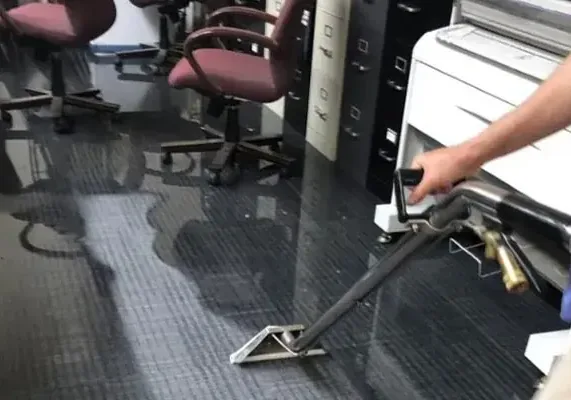
First steps for commercial water damage
- Assess the space: Water source, affected suites and critical areas are noted first.
- Protect the contents: Inventory, files and equipment are lifted, covered or moved out of the water.
- Extract and dry: Pumps, wands and dehumidifiers work area by area to limit downtime.
- Report to everyone: Readings, photographs and scope notes go to the owner, landlord and insurer.
What does commercial water damage cost in Clifton Heights, PA?
Commercial losses are priced by suite size, floors and water type. A single suite or shop runs $3,000 to $10,000, and a large or contaminated loss reaches $25,000 to $40,000 or more.
Single suite or shop
- One tenant space
- Extraction and drying
- Contents protected
Several units or floors
- Multiple tenants
- Carpet tile removed
- Phased drying
Large or contaminated loss
- Sewage or floodwater
- Extended monitoring
- Detailed records
Ranges are typical, not a quote: the water category, the square footage, the material class and how fast drying started move the number most. Run the water damage cost calculator for a closer range.
How commercial water damage is handled in Clifton Heights
- 01
Call
Name the building use, source and areas.
- 02
Protect
Contents are covered and key areas isolated.
- 03
Dry
Water is extracted and equipment placed.
- 04
Report
Records go to owner, landlord and insurer.
Rentals, landlords and tenants
Rental properties in the borough, whether residential, commercial or industrial, are inspected every year and on complaint. A leak in a leased suite involves the tenant and the landlord, which is why dated photos, readings and a clear scope are kept for both sides.
Water got into the shop or office?
(888) 557-1733Ask about a business dry outOffices and warehouse space
Clifton Precision completed a motor and electronics factory in 1955, and its plant was converted into offices and warehouse space after operating until the late 1990s. Buildings with mixed uses, such as offices beside storage, put carpet, stock and equipment under one roof, so one leak can touch very different materials.
Sequencing the work
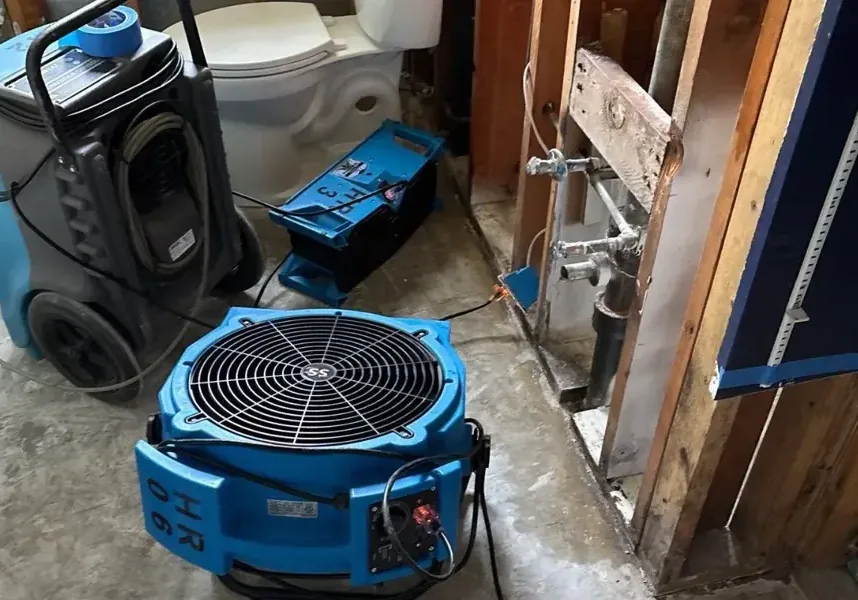
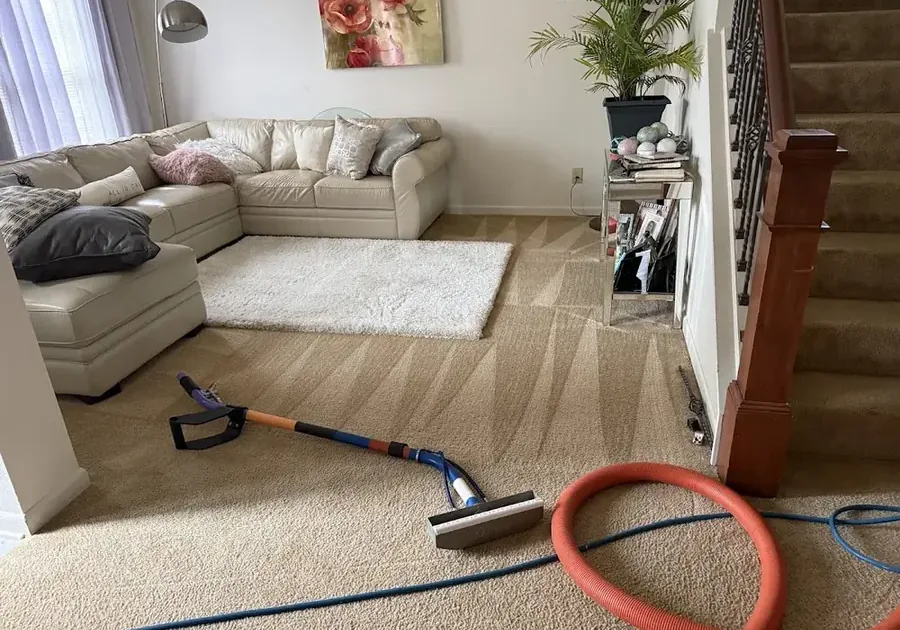
Crews extract first, then protect and move inventory, then place drying equipment so some areas can keep operating. Carpet tile, drywall and ceiling tile that cannot dry are removed, while hard floors and shelving are cleaned and dried in place. Contaminated water from a backup follows the stricter steps on the sewage backup page.
Paperwork for the business
Business owners usually need an itemized loss record for the insurer, and many leases require notice to the landlord. Dated readings, photographs and contents lists support both, and the main commercial page explains the documentation.
Commercial water damage across Clifton Heights and nearby communities
Commercial work serves Clifton Heights shops, offices and warehouse space, including buildings near Baltimore Avenue and Springfield Road, in ZIP code 19018 and the neighboring towns.
The same service nearby: commercial water damage in Upper Darby, Lansdowne, Collingdale.
Related water damage services
Commercial Water Damage questions in Clifton Heights, PA
Can a business stay open during drying?
Often partly. Crews sequence the work so unaffected areas stay usable, but active drying zones and contaminated areas are closed off for safety.
What records does a business need?
A dated scope, photographs, moisture logs and an inventory of damaged contents. Insurers, landlords and sometimes lenders ask for them, and they make the claim easier to follow.
Who is responsible in a leased suite?
The lease decides who pays for what. Both tenant and landlord should be told at once, and a shared written record of the cause and readings avoids disputes.
How is sewage handled in a business?
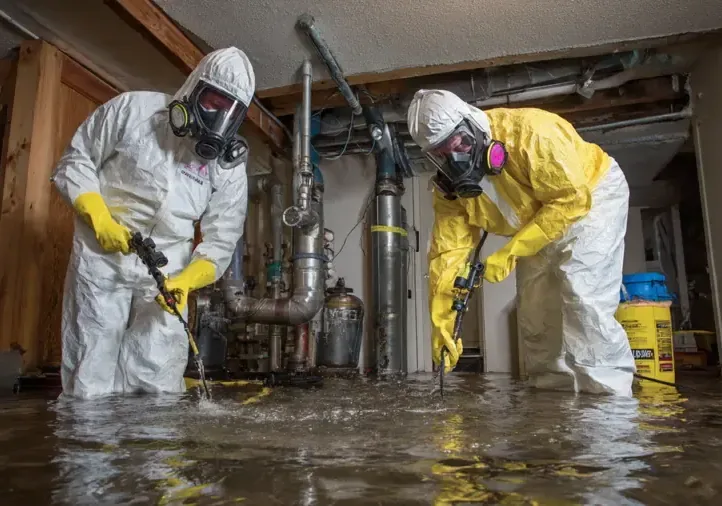
Contaminated water is treated as hazardous to health. The crew works in protective gear, porous materials are removed and surfaces are sanitized before reopening.
Can inventory be saved?
Items on shelves above the water, plastic goods and sealed stock often can. Cardboard, paper and porous goods that sat in water usually cannot. A written inventory with photographs comes first.
Keep the business moving while the structure dries
The crew protects inventory and equipment, extracts the water, sequences the drying around how the space is used and writes up records the landlord and insurer can follow.
(888) 557-1733Call about the buildingUpper Darby Water Damage Restoration
The township and Delaware County
Water and sewage losses only
Find us on Google