A temporary water shutdown is routine, and the leaks it causes usually show up when service comes back. This post covers how to prepare, what to check, and what to do when water appears where it should not.
Key takeaways
- The Yeadon borough website carries Aqua PA notices of temporary water shutdowns on borough streets.
- Close every tap and switch off an electric water heater before the water goes off.
- When service returns, pressure and trapped air can expose a loose fitting, an open tap or a weak hose.
- A walk-through right after service returns catches leaks while they are still small.
- Clean water caught fast is dried in place, while water left standing can change category and need removal.
How a planned shutoff turns into a leak
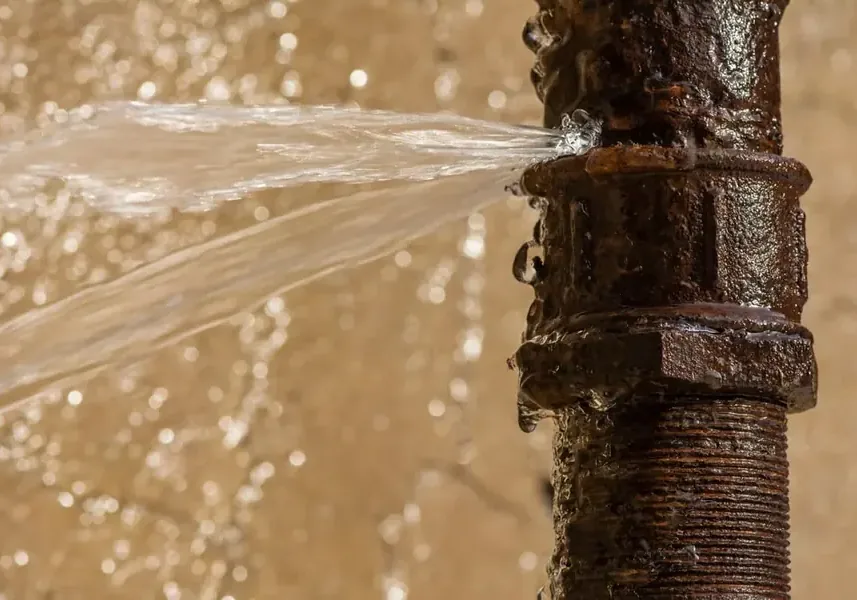
When a water main is shut for repairs, the pipes in nearby homes drain or fill with air. When service returns, water rushes back in under full pressure, and any weak point can give way.
The usual culprits are simple ones.
- A tap left open before the shutoff runs water onto the floor of an empty room.
- Air in the pipes can spit and surge, which shakes loose a tired fitting.
- Sediment stirred up by the shutoff can jam a valve open.
- A water heater, a washer or an ice maker can refill with no one watching.
Where the notices come from
The Yeadon borough website carries Aqua PA notices of temporary water shutdowns on Yeadon streets. A 2016 DELCORA report says most of Delaware County is served by Aqua Pennsylvania.
Those notices are the best prompt to get ready. The streets affected are named in the notice, and a household can plan around them instead of finding out when the tap goes dry.
Before the water goes off
A few minutes of preparation prevents most shutdown leaks.
- Close all taps, including outdoor spigots, and note any that were open.
- Switch off an electric water heater at its breaker so the elements are not running on an empty tank.
- Turn off the washer, dishwasher and ice maker.
- Move anything stored under sinks and near the washer.
- Find the main shutoff valve and make sure it turns freely.
When service returns
Open one cold tap at a time
Open a single cold tap slowly, let the air escape and run it until the water is clear. Then work through the other taps one by one rather than opening everything at once.
Brief cloudiness is common after a shutoff, because sediment gets stirred up. If the water stays brown, the water company should be told.
Walk the house
A slow walk-through right after service returns finds leaks before they spread.
- Look under every sink for drips and wet cabinet bases.
- Check the washer hose connections and the dishwasher feed.
- Look at the ceilings below bathrooms and kitchens for new stains.
- Listen for hissing or running water when every fixture is off.
- Watch the water meter with every fixture off to see whether the dial keeps moving.
If water appears where it should not
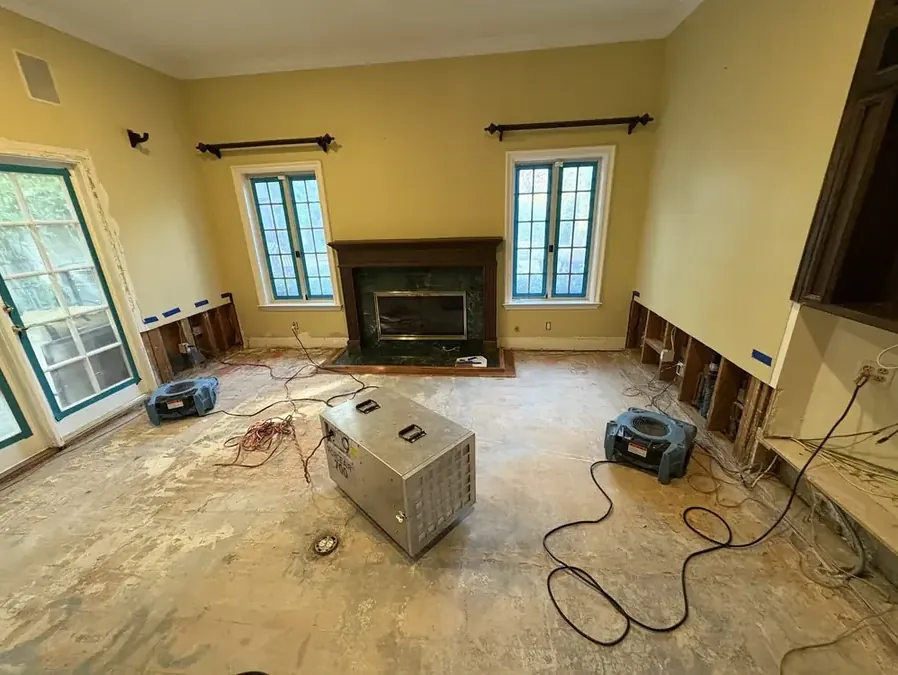
Close the main shutoff valve first. Then pull standing water off the floor, move belongings out of the wet area and photograph what is wet.
Clean supply water is Category 1, and fast extraction can save carpet, pad and drywall. If it sits, it can collect contaminants from flooring and materials, and then it is treated as Category 2.
A crew handling burst pipe water damage finds the source, opens only the wet material and dries the cavity. If the leak came from a hose or a feed, appliance leak cleanup covers the same steps for the machine area.
Water heaters, toilets and ice makers
Water heaters
A tank that drained during the shutoff refills as soon as service returns. Check the base, the relief valve and the pipe fittings once it is full, and switch the breaker back on only after the tank is full.
Toilets and ice makers
A toilet fill valve can stick when sediment lodges in it, and the tank then runs until the bowl overflows. An ice maker feed can leak as pressure surges through the small tube behind the refrigerator.
Looking at both in the first few minutes after service returns catches most of these problems early.
- Lift a toilet tank lid and watch the water level settle.
- Pull the refrigerator out only if the floor is dry and the path is clear.
- Check the washer hoses before starting the first load.
Drying and records
Water extraction comes first, and then fans and dehumidifiers dry the floor, the wall base and the cabinet bases until the meter readings settle.
Photos, a dated note and a copy of the shutdown notice show when the water was off and when it came back. Policies differ, so the claim is worth discussing with the insurer before repairs begin.
- Keep the shutdown notice with the claim papers.
- Photograph wet areas before and after extraction.
- Save the plumber's invoice and any parts that failed.
- Ask for written drying readings at the end of the job.
When the leak is on an upper floor
A leak in a second-floor bathroom or laundry area shows up first as a stain on the ceiling below. By then the water has crossed the floor, soaked the subfloor and reached the ceiling drywall.
A bulging stain means water is trapped above the drywall. Moving belongings aside, placing a bucket and calling for extraction and moisture readings keeps the ceiling from failing.
- A brown ring on a ceiling shows water that has dried and returned.
- A bulge or sag means water is trapped and needs to be drained.
- Wet insulation above the ceiling is removed and replaced.
- The floor above is dried too, since it holds the water that fed the ceiling.
Hidden leaks that show up later
Not every shutdown leak is dramatic. A fitting that was loosened by a surge may weep for days, wetting a wall base or the floor behind a machine without any obvious sign.
Watching the meter for a day or two and checking ceilings and cabinet bases helps catch these slow leaks. For help finding one, the borough's other water damage pages are listed on the Yeadon water damage hub.
Questions
Why do leaks show up after the water comes back on?
Pressure returns all at once, and air in the pipes can shake loose fittings. A tap left open or a weak hose can fail at that moment.
Should the water heater be turned off during a shutdown?
For an electric tank, switching off the breaker keeps the elements from running dry if the tank drains. Gas units have their own steps in the owner's manual.
What if the water comes back brown?
Brief discoloration is common after a shutoff, as sediment is stirred up. Run a cold tap until it clears, and tell the water company if it does not.
Is damage from a shutdown covered by insurance?
A sudden pipe or hose failure is commonly covered, subject to the policy. The wording and the insurer decide, so keep the notice and the photos.
How can a leak hiding in a wall be spotted?
A stain, a hissing sound, a meter dial that moves with every fixture off or a damp spot on a wall are signs, and a moisture meter confirms it.